
Webinar: Indigenous methodologies
-
12:00 pm - 1:00 pm, Wednesday, 6th November 2024
-
AEDT | Online via Zoom | Cost: Free
Disclaimer: ANROWS webinars bring together a diverse range of speakers on a particular topic, informed by the evidence base, lived expertise, and policy and practice knowledge. The views expressed by speakers or other third parties in ANROWS webinars and any subsequent materials are those of the speaker or third party and not, necessarily, of ANROWS.
This webinar is the second in a series aimed at supporting the implementation of the ANRA, scheduled to take place throughout 2024–2025.
The Australian National Research Agenda (ANRA) is a national framework produced by ANROWS that identifies what evidence is needed to end domestic, family and sexual violence (DFSV) and how that evidence should be produced.
The ANRA can be used by people and organisations, such as researchers, funders, policymakers, services, survivor advocates and social impact organisations, to help grow the evidence base.
The event focused on one of the research priorities set out in the agenda: Indigenous methodologies.
In this webinar, Fiona Cornforth, Professor Juanita Sherwood and Dr Nicole Tujague discussed:
- Power and positionality;
- decolonising methodologies;
- connections and partnerships;
- strengths-based approaches;
- cultural safety.
Upcoming ANRA webinars will explore:
- Creating space for pilots and evaluations of community-led interventions
- Valuing practitioners’ expertise
- Listening to children when they are children
- Working with the knowledge of experts by experience
RESOURCES
The Australian National Research Agenda to End Violence Against Women and Children (ANRA) 2023–2028
The Lancet Voice (podcast): Spotlight on Research for Health: Excluded voices feat. Fiona Cornforth
https://www.thelancet.com/lancet-200#podcasts
- Listen on Apple podcasts, Spotify, or Amazon music
Australian National University, Family and Community Safety Study (FaCtS), “The answers were there before the white man come in” Stories of strength and resilience for responding to violence in Aboriginal and Torres Strait Islander communities.
This research demonstrates how you can have Aboriginal and Torres Strait Islander peoples leading all research activity.
Dr Shawn Wilson BSc MA PhD, Research is Ceremony: Indigenous Research Methods
Tyson Yunkaporta & Donna Moodie, Thought Ritual: An Indigenous Data Analysis Method for Research
Prof. Michael Chandler & Christopher E. Lalonde, Transferring Whose Knowledge? Exchanging Whose Best Practices? On Knowing about Indigenous Knowledge and Aboriginal Suicide
John Hallett, Suzanne Held, AKHG McCormick et al. What Touched Your Heart? Collaborative Story Analysis Emerging From an Apsáalooke Cultural Context
Dr Nicole Tujague, (2023) Unearthing the axe heads: Hearing about Indigenous-led Evaluation from Aboriginal survivors of The Stolen Generations (Thesis)
Dr Nicole Tujague’s zoom background is a commission piece done by graphic narrator, Rachel Apelt. The zoom background illustrates Nicole and Kelleigh Ryan’s work at The Seedling Group and their process in writing their book, Cultural Safety in Trauma-informed Practice from a First Nations Perspective: Billabongs of Knowledge.
Panellists
Fiona Cornforth AFHEA MAICD BMgt MMgt (Merit)
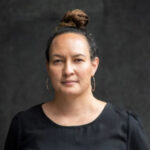 Fiona is of the Wuthathi and Maluilgal peoples and holds national roles for creating meaningful systems change, contributing knowledge on what heals, as well as the power and strengths of First Peoples’ cultures to lead that change. She has served as CEO of The Healing Foundation, is the inaugural Director of Yardhura Walani at the Australian National University, and a founding board director of the National Centre for Action on Child Sexual Abuse. In all spaces, Fiona shares a message of celebration and gratitude for the greatness of ancestors, Elders, and the ontology and authority that holds individuals, families and nations.
Professor Juanita Sherwood
 Juanita is a proud Wiradjuri woman, registered nurse, teacher, lecturer, researcher and manager with over 30 years’ experience in Aboriginal and Torres Strait Islander health and education. Her career has encompassed government and non-government sectors, and the academy. Juanita has led State-wide and National projects, developed policies and strategic plans, worked with Aboriginal communities to assist in developing their research agendas and research methods, established a National Indigenous Staff / Researcher Network within Rural Health Departments across Australian Universities, fostered a “how to rollout cultural competency” and safe learning environments, and the development of a unique Indigenous health resource. Juanita is currently employed at Jumbunna at the University of Technology Sydney.
Dr Nicole Tujague
 Nicole is a descendant of the Kabi Kabi nation from Mt Bauple, Queensland and the South Sea Islander people from Gaua Island in Vanuatu. She grew up on the Queensland Aboriginal communities of Bamaga, Kowanyama, Woorabinda and Yarrabah. She is co-founder and Director of a small Aboriginal consultancy firm called The Seedling Group and is a Board member of the Australian Evaluation Society (AES).
Nicole’s area of research for her PhD was Indigenous-led Evaluation, that is, understanding what Aboriginal Peoples feel is important when evaluating projects and programs that affect their lives. Nicole is particularly interested in Indigenous methodologies of data collection and analysis and cultural safety in trauma informed practice.
Tanika Perry
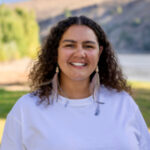 Tanika, a proud Worimi and Bundjalung woman, brings over a decade of experience in Indigenous community engagement, health promotion, and project management. Specialising in project coordination, communications, and stakeholder relations, she leads initiatives supporting First Nation communities with a focus on cultural safety, inclusivity, and respect. Holding a Graduate Diploma of Indigenous Health Promotion from The University of Sydney, Tanika demonstrates a holistic commitment to Indigenous health, wellbeing and inclusion nationwide. Guided by a values-driven leadership approach, she empowers teams through collaboration, aiming for meaningful contributions and two-way engagement. As an advocate for Indigenous advancement, Tanika champions inclusivity and equity for all.

-
Thursday, 15th November 2018
-
Ground floor meeting room, Crawford House, Hunter Street, Lismore
-
Thursday, 18th October 2018
-
Technology Park Function Centre, Bentley, WA
-
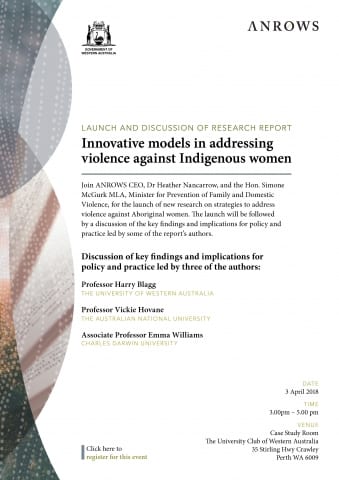
Tuesday, 3rd April 2018
-
Case Study Room, The University Club of Western Australia